
Plant a Tree, Grow a Future: Why Environmental Responsibility Starts in Our Communities
A tree is more than a plant in the ground. It is a contribution to cleaner air, a healthier environment, and a greener future for the next generation. Explore how community tree planting and everyday environmental responsibility can create lasting positive change.

By Super Admin
2 min read
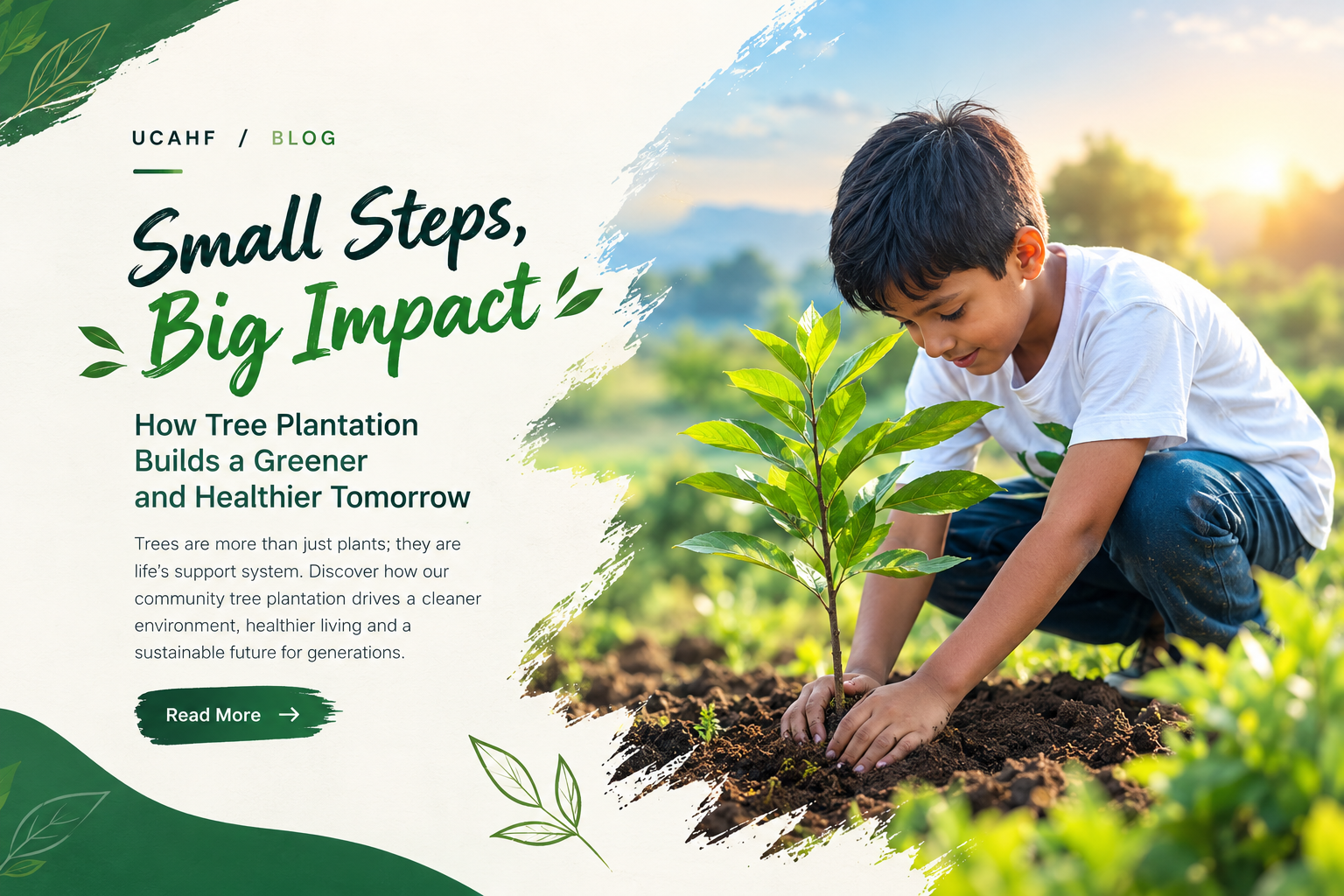
The future we grow today
A seedling may appear small and fragile, yet with the right care, it can grow into a tree that provides shade, supports wildlife, and contributes to a healthier environment.
That transformation offers an important lesson: lasting change often begins with small actions, repeated with care and commitment.
Environmental protection is not limited to large campaigns or major government projects. It also begins in our neighborhoods, school grounds, public spaces, and homes. Every community has opportunities to protect nature and encourage more responsible environmental habits.
For UCAHF, environmental awareness and community participation can be important parts of a broader vision for sustainable development.
Why planting trees matters
Trees contribute to environmental health in several ways. They absorb carbon dioxide as they grow, provide habitat for many species, help manage rainwater, and offer shade in hot weather.
In suitable locations, trees and other vegetation can also help reduce soil erosion and improve the quality of public spaces.
However, successful tree planting involves more than putting seedlings into the ground. The right species must be selected for the local climate and location. Trees need adequate space, suitable soil, and continued care, particularly during their early growth.
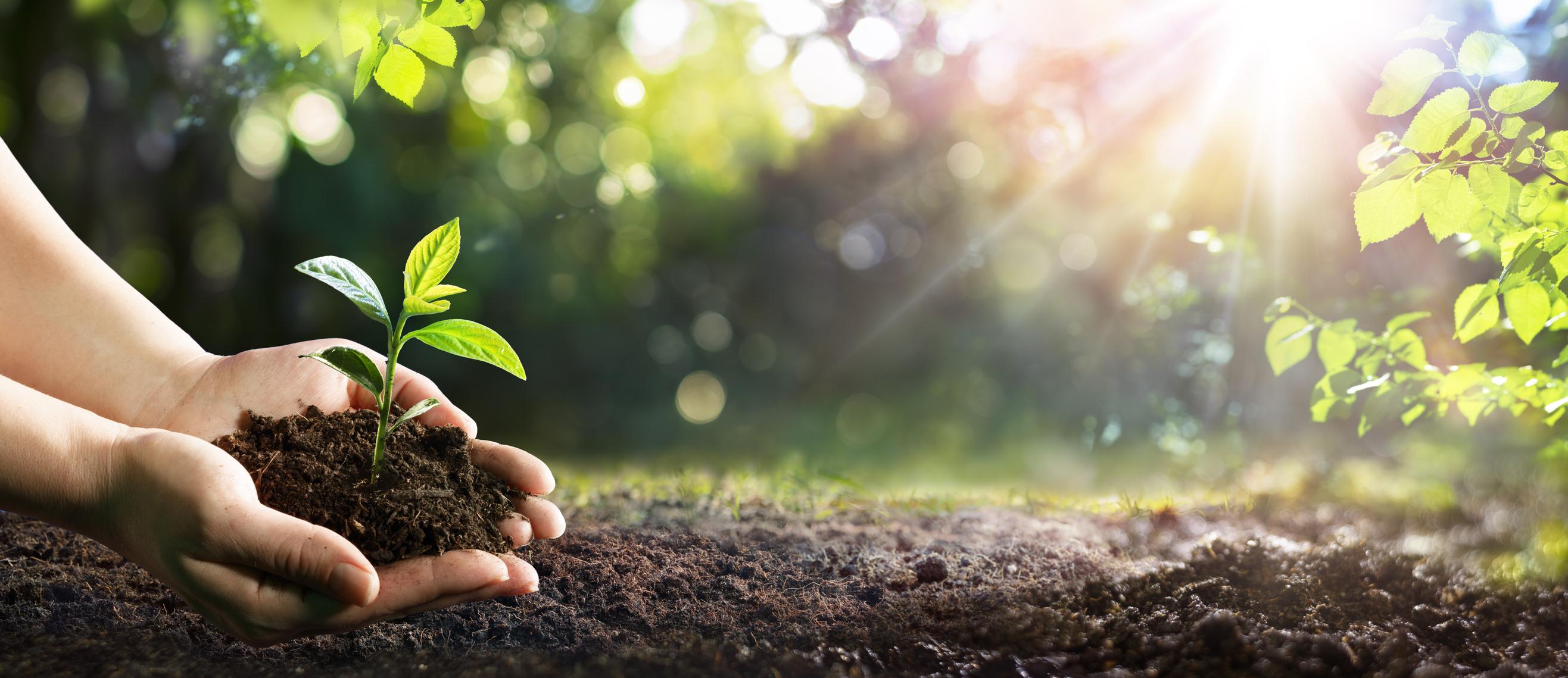
Turning awareness into community action
Imagine a school where students learn to care for seedlings, a neighborhood where residents work together to maintain greenery, or a public space that becomes more welcoming through thoughtful planting.
These activities can do more than improve the immediate surroundings. They can help people develop a stronger connection with nature and a shared sense of responsibility for their environment.
Community organizations, educational institutions, volunteers, and local residents can work together to organize planting activities, share environmental knowledge, and encourage responsible waste management.
UCAHF can help promote this spirit of participation by encouraging people to recognize that environmental protection is a shared responsibility.
A greener future requires consistent care
A tree-planting event is a beginning, not the finish line. Without watering, protection, and follow-up, newly planted trees may not survive.
Communities can make their environmental initiatives more effective by assigning care responsibilities, monitoring seedlings, choosing appropriate planting locations, and educating participants about long-term maintenance.
Small everyday choices also matter: avoiding unnecessary waste, keeping public spaces clean, protecting green areas, and helping others understand environmental challenges.
These habits can become part of a culture in which people do not simply celebrate nature but actively care for it.
Let the next generation inherit hope
Children and young people deserve an environment where they can learn, grow, and enjoy the natural world. The decisions we make today influence the conditions they will experience tomorrow.
We cannot solve every environmental problem through one activity. But we can create meaningful progress through informed choices, collective action, and continued commitment.

Comments
Write a comment